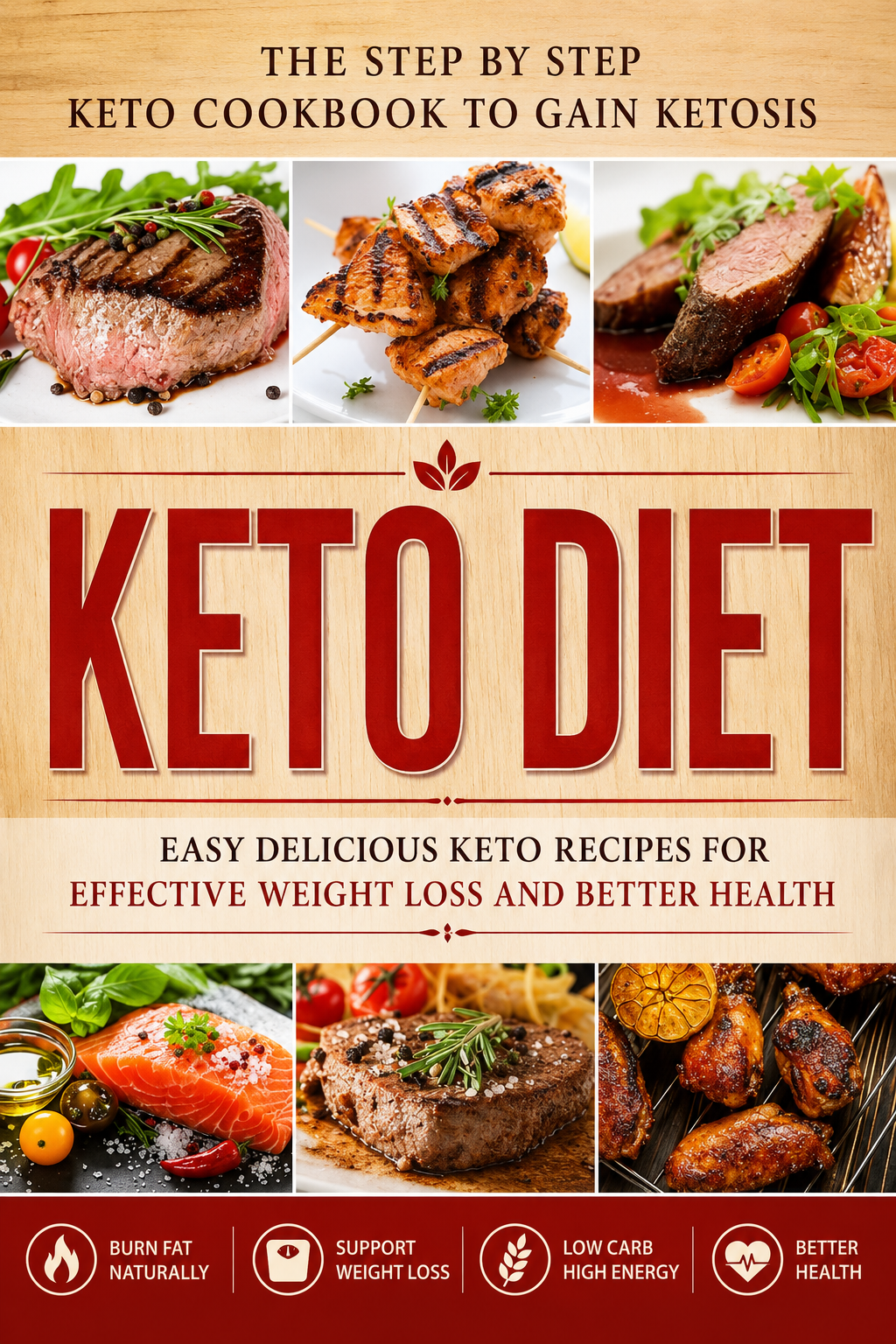
The keto diet is one of the most researched and results-backed dietary approaches of the last decade — and in 2026, the science supporting it has never been stronger. If you have heard about the keto diet but are not sure whether it actually works, this complete guide covers everything: what the keto diet is, why it works, what to eat, and how to get through the adaptation period successfully.
From Instagram transformations to celebrity endorsements to your colleague who lost 30 pounds and won’t stop talking about it — ketogenic eating has been one of the most discussed dietary approaches of the last decade. And unlike most diet trends that fade after a single news cycle, the keto diet has not just survived. It has grown, evolved, and accumulated an increasingly impressive body of scientific research supporting its effectiveness.
But underneath all the noise, most people still have the same basic questions: What exactly is the keto diet? Why does it work when so many other diets fail? And is it actually sustainable for real people living real lives?
This guide answers all of it — without the hype, without the oversimplification, and with the honest context that most keto content conveniently leaves out.
Already Know Keto Works and Ready to Start? This Is the Supplement Making the Transition Dramatically Easier
The hardest part of starting keto is the first 2–3 weeks — your body adapting from glucose-burning to fat-burning. Most people quit during this window. Keto Sana is formulated specifically to support this transition and make it work.
Formulated for the critical adaptation window · Natural ingredients · Supports energy, mental clarity and fat-burning from day one
What Is the Keto Diet, Exactly?
The ketogenic diet is a high-fat, moderate-protein, very low-carbohydrate eating approach that shifts your body’s primary fuel source from glucose (sugar) to ketones (produced from fat). The keto diet consistently produces the most dramatic results for people in these categories when followed correctly and consistently.”
Under normal dietary conditions, your body runs primarily on glucose derived from carbohydrates. When you dramatically reduce carbohydrate intake — typically to under 20–50 grams per day — your liver begins converting stored fat and dietary fat into molecules called ketones. Your brain, muscles, and organs then use these ketones as their primary energy source.
This metabolic state is called nutritional ketosis — and it is the mechanism behind virtually every benefit the keto diet produces.
Standard macronutrient breakdown for keto:
- Fat: 70–75% of daily calories
- Protein: 20–25% of daily calories
- Carbohydrates: 5–10% of daily calories (typically 20–50g net carbs per day)

Why Does the Keto Diet Work When Other Diets Fail?
Most diets fail for one of two reasons: hunger or hormones. Keto addresses both simultaneously.
The hunger problem. Fat is the most satiating macronutrient — it takes longer to digest and produces sustained feelings of fullness that carbohydrate-rich meals rarely match. People on well-formulated ketogenic diets consistently report dramatically reduced appetite without deliberate calorie restriction. You stop feeling hungry in the way that makes diets unsustainable.
The hormonal problem. Carbohydrates drive insulin — the primary fat-storage hormone. High-carbohydrate diets produce frequent insulin spikes that promote fat storage and prevent fat release. By dramatically reducing carbohydrate intake, keto keeps insulin consistently low, creating the hormonal environment in which fat-burning is not just possible but physiologically preferred.
The energy problem. Many people report that keto produces a notably different quality of energy compared to glucose-fuelled metabolism — more consistent, without the mid-afternoon crashes that follow carbohydrate-heavy meals. This is because fat oxidation is a slower, steadier fuel source than glucose, which produces rapid peaks and valleys in blood sugar and energy.
The Science-Backed Benefits of the Ketogenic Diet
Weight Loss and Fat Burning
The evidence for keto’s effectiveness for weight loss is substantial. Multiple clinical trials and meta-analyses have found that ketogenic diets produce greater short-term weight loss than low-fat diets — particularly in the reduction of visceral (abdominal) fat, which is the metabolically active fat most associated with cardiovascular and metabolic disease risk.
The mechanism is multifactorial: reduced appetite, lower insulin levels, direct fat oxidation for fuel, and the metabolic cost of converting fat and protein to glucose (gluconeogenesis) all contribute.
Blood Sugar and Insulin Regulation
For people with type 2 diabetes or insulin resistance, the ketogenic diet has produced some of the most striking results in dietary research. By dramatically reducing carbohydrate intake — the primary driver of blood glucose elevation — keto can significantly lower HbA1c levels, reduce insulin requirements, and in some cases produce complete remission of type 2 diabetes.
A landmark 2019 study found that people with type 2 diabetes following a ketogenic diet achieved significantly greater reductions in HbA1c, body weight, and medication requirements compared to a standard diabetes diet.
Important: If you have diabetes or take medication for blood sugar management, consult your doctor before starting keto — medication adjustments are often required as blood sugar improves.
Mental Clarity and Cognitive Performance
One of the most commonly reported — and scientifically supported — benefits of ketosis is improved cognitive function. Ketones are a highly efficient brain fuel that many people report produces clearer thinking, improved focus, and reduced brain fog compared to glucose-based metabolism.
The ketogenic diet was actually developed in the 1920s as a treatment for epilepsy — a neurological application that remains one of the most evidence-backed uses of the diet today. Its neuroprotective properties are increasingly being studied in the context of Alzheimer’s disease, Parkinson’s disease, and other neurodegenerative conditions.
Cardiovascular Health Markers
Contrary to the concern many people have about a high-fat diet and heart health, the research on keto and cardiovascular markers is largely positive. Studies consistently show that well-formulated ketogenic diets increase HDL (good) cholesterol, reduce triglycerides significantly, improve the LDL particle size distribution toward larger, less atherogenic particles, and reduce inflammatory markers.
Reduced Inflammation
Chronic low-grade inflammation is now understood to be a driver of dozens of modern health conditions — from joint pain to cardiovascular disease to cognitive decline. Ketones, particularly beta-hydroxybutyrate (BHB), have demonstrated direct anti-inflammatory effects in research, inhibiting inflammatory signalling pathways at the cellular level.
Foods to Eat on Keto
Foundation foods:
- Fatty meats — beef, lamb, pork, chicken thighs, bacon
- Fatty fish — salmon, mackerel, sardines, tuna
- Eggs — whole eggs are a keto staple
- Full-fat dairy — butter, cream, hard cheeses, full-fat yoghurt
- Oils and fats — olive oil, coconut oil, avocado oil, ghee
- Avocados — one of the most keto-friendly whole foods available
- Low-carb vegetables — leafy greens, broccoli, cauliflower, courgette, spinach, peppers
- Nuts and seeds — macadamia, almonds, walnuts, chia seeds, flaxseeds
Foods to avoid:
- All grains — bread, pasta, rice, oats, corn
- Sugar in all forms — sweets, chocolate, fruit juice, honey, maple syrup
- High-sugar fruits — bananas, grapes, mangoes, apples
- Starchy vegetables — potatoes, sweet potatoes, parsnips, corn
- Legumes — beans, lentils, chickpeas
- Processed foods and most packaged snacks
The Keto Adaptation Period — And Why Most People Quit Too Early
The most important thing to understand about starting keto is that the first 1–3 weeks are the hardest — and they do not represent what keto actually feels like once your body has adapted.
During the adaptation window, your body is making a fundamental shift in its metabolic machinery — from primarily burning glucose to primarily burning fat. This transition produces what is commonly called the “keto flu” — a collection of symptoms including fatigue, brain fog, headaches, irritability, and reduced exercise performance.
These symptoms are temporary. They are caused primarily by electrolyte losses (sodium, potassium, and magnesium are excreted more rapidly when insulin is low) and the metabolic adjustment period. They typically resolve within 1–2 weeks for most people.
Electrolyte supplementation during adaptation is critical. Most people who experience severe keto flu are significantly under-consuming sodium, potassium, and magnesium. Increasing these dramatically reduces symptom severity.
This adaptation window is when most people quit — before they experience what ketosis actually feels like once the transition is complete. People who get through the first two weeks almost universally report that the energy, mental clarity, and appetite control that emerge on the other side make the transition completely worthwhile.
How Keto Sana Supports the Adaptation Process
The keto adaptation window is the primary reason people fail to experience the full benefits of ketogenic eating — not because keto doesn’t work, but because they quit before it does.
Keto Sana is a natural supplement formulated specifically to support the metabolic and physiological demands of the adaptation period — making the transition faster, more comfortable, and more likely to succeed.
The formula targets the specific mechanisms that make keto adaptation challenging: electrolyte balance, energy availability during the metabolic transition, and the mental clarity that ketones provide once adaptation is complete.
Make the Keto Transition Work — Starting From Day One
The difference between people who succeed with keto and people who quit is almost always the adaptation window. Keto Sana supports your body through the hardest weeks — so you reach the other side where the real results are.
👉 Get Keto Sana and Make Your Keto Transition Work — Click Here Now
Natural formula · Supports energy, electrolytes and fat-burning during keto adaptation · Start feeling the real benefits of keto faster
Who Is the Keto Diet Best For?
Keto tends to produce the most significant results for people who:
- Struggle with insulin resistance, prediabetes, or type 2 diabetes
- Experience significant energy crashes and cravings on standard carbohydrate-heavy diets
- Have tried calorie-restriction diets and found the hunger unsustainable
- Want to reduce visceral (abdominal) fat specifically
- Experience chronic brain fog or want to improve cognitive performance
- Have inflammatory conditions that may respond to dietary intervention
Who Should Be Cautious With Keto
- People with type 1 diabetes — ketoacidosis risk requires careful medical supervision
- People with kidney disease — higher protein intake may need modification
- Pregnant or breastfeeding women — should consult a doctor before any significant dietary change
- People on blood pressure or diabetes medication — medication adjustments are often required as the diet takes effect
Common Keto Mistakes That Stop Results
Not eating enough fat. This is the most common beginner mistake. Keto is not low-fat — it is high-fat. Without sufficient dietary fat, you will feel hungry, tired, and unconvinced the diet is working.
Eating too much protein. Excess protein can be converted to glucose through gluconeogenesis, potentially disrupting ketosis. Keep protein at 20–25% of calories, not higher.
Ignoring electrolytes. Sodium, potassium, and magnesium depletion causes the majority of keto flu symptoms. Supplement these — particularly sodium — from the first day.
Giving up during adaptation. The first 1–3 weeks are not representative of what keto feels like. The adaptation window is temporary. The results on the other side are sustained.
Hidden carbs in processed foods. Read labels. Many sauces, dressings, and “healthy” foods contain enough sugar to disrupt ketosis without you realising it.
Frequently Asked Questions
How long does keto adaptation take? Most people complete the primary metabolic shift within 2–4 weeks. Full fat-adaptation — where the body is optimally efficient at burning fat for fuel — can take 6–12 weeks.
Can you do keto as a vegetarian or vegan? Vegetarian keto is achievable with eggs, full-fat dairy, nuts, seeds, and low-carb vegetables as the foundation. Vegan keto is significantly more challenging but possible with careful planning around avocado, coconut, nuts, seeds, and plant-based proteins.
Will keto raise my cholesterol? Most people see improvements in their cardiovascular markers on keto — lower triglycerides, higher HDL, improved LDL particle size. A minority of people (typically those with familial hypercholesterolaemia) see LDL elevation that warrants monitoring. Get a full lipid panel after 3 months.
How do I know if I’m in ketosis? Ketone breath strips, urine strips, or blood ketone meters all measure ketosis. Blood meters are the most accurate. Generally, blood BHB above 0.5 mmol/L indicates nutritional ketosis.
Final Thoughts: Is Keto Worth Trying in 2026?
For the right person — someone struggling with energy, weight, blood sugar, brain fog, or inflammation — keto remains one of the most powerful dietary interventions available. The science supporting it has only grown stronger over the past decade.
The key is getting through the adaptation window. That is where most people stop. And that is precisely where the right support makes all the difference.
Your Keto Results Are on the Other Side of the Adaptation Window
Most people who fail at keto quit in week two. Not because the diet doesn’t work — but because they didn’t support their body through the metabolic transition correctly. Keto Sana is formulated to change that.
Give your body the support it needs to complete the transition — and discover what keto actually feels like when it’s working properly.
Medical Disclaimer: This article is for informational purposes only and does not constitute medical advice. Consult a qualified healthcare professional before starting any new dietary programme, particularly if you have a pre-existing health condition or take medication.
Disclosure: This article contains affiliate links. If you purchase through our link, we may earn a small commission at no extra cost to you.