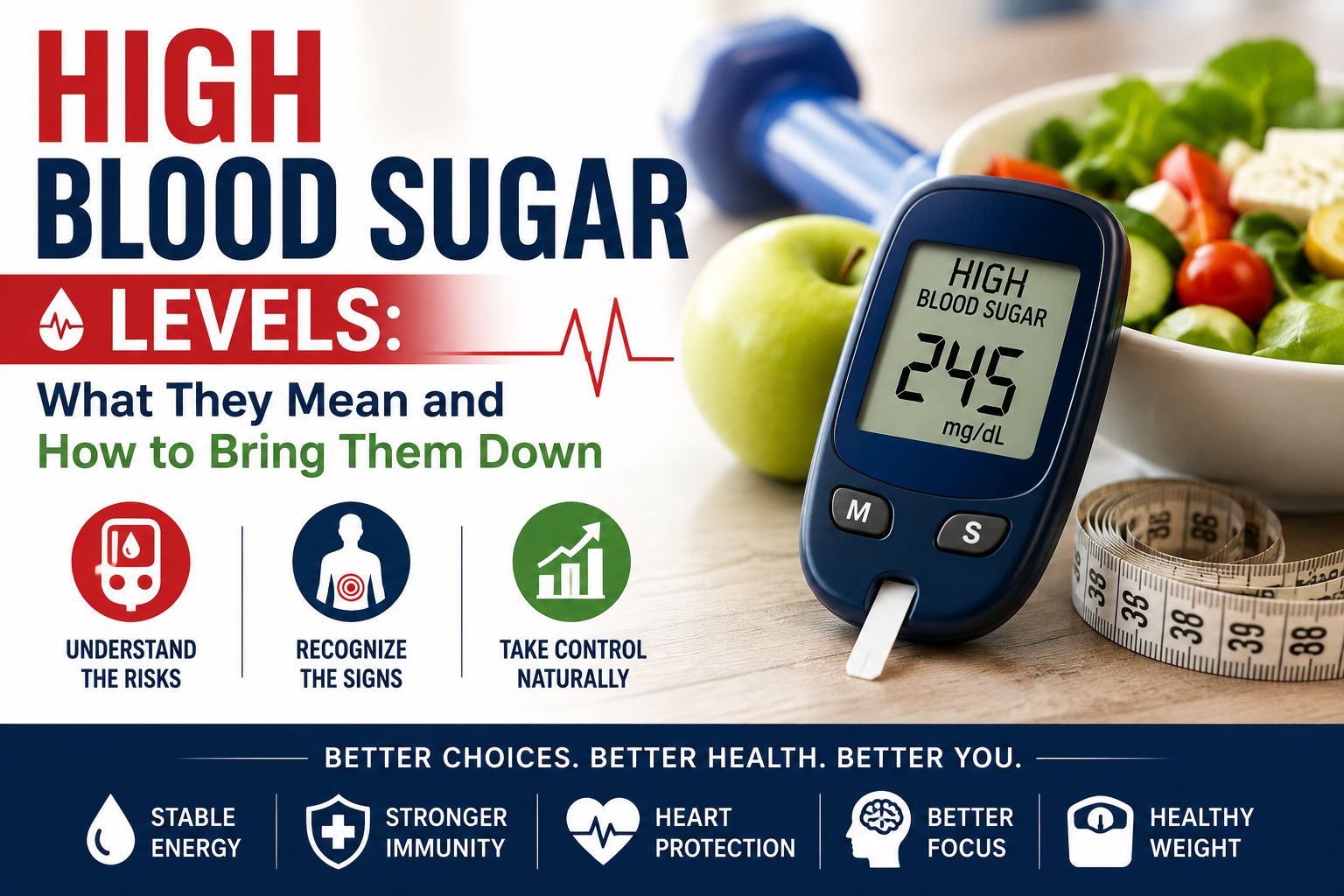
Natural remedies for high blood pressure are more powerful than most people realise — and more necessary than ever. High blood pressure creeps in silently, without symptoms, until a routine check-up reveals numbers that leave you worried and searching for answers. The good news is that natural remedies for high blood pressure can produce real, measurable results when applied consistently.”
One day you feel completely fine — and then a routine check-up produces numbers that leave you sitting in the doctor’s office feeling worried, confused, and suddenly very aware of a danger you had no idea was building inside you.
For millions of people — particularly women in their 30s and 40s managing work, family, poor sleep, and the relentless accumulation of daily stress — this moment arrives without warning. The body has been under pressure for months, maybe years. And by the time the numbers confirm it, the damage has often already begun.
Here is what most people are never told in that moment: you are not powerless.
High blood pressure is one of the most lifestyle-responsive conditions in modern medicine. The choices you make daily — what you eat, how you move, how you sleep, how you manage stress — directly and measurably influence your blood pressure readings. Many people successfully bring their numbers into the healthy range using natural, evidence-based methods without immediate reliance on medication.
This guide walks you through 12 powerful, science-backed natural remedies for high blood pressure — and the structured approach that makes them work consistently rather than occasionally.
Just Found Out Your Blood Pressure Is High — And Not Sure Where to Start?
You don’t need to figure this out alone. A clear, step-by-step natural approach exists — and thousands of people are already using it to bring their numbers back into the healthy range.
A guided audio programme that walks you through proven natural blood pressure control strategies in a simple, practical daily format — designed for people who want real results without confusion or overwhelm. The earlier you act, the better your outcomes. Start today.

Enter for a Chance to Go to the World Cup!

Understanding High Blood Pressure — Why Acting Now Matters
High blood pressure (hypertension) occurs when the force of blood pushing against your artery walls remains consistently elevated — typically defined as readings above 130/80 mmHg.
The danger is not in how it feels. The danger is in what it does silently over time.
Chronically elevated blood pressure damages the inner lining of blood vessels, accelerates arterial stiffening, strains the heart muscle, and progressively increases the risk of heart disease, stroke, kidney damage, and vision deterioration. Most people experience no symptoms during this process — which is why hypertension is called the “silent killer” and why early, consistent action produces dramatically better outcomes than waiting for symptoms to force your hand.
The encouraging truth: blood pressure responds to lifestyle intervention faster than almost any other cardiovascular risk factor. Meaningful reductions are achievable within weeks of implementing the right changes consistently. Here is what the evidence supports most strongly. This is why natural remedies for high blood pressure that address lifestyle factors directly are so clinically significant.”
12 Natural Remedies for High Blood Pressure
1. Transform Your Diet — The Foundation of Everything
What you eat is the single most direct influence on your blood pressure outside of medication. The good news is that the changes producing the greatest impact are additions, not just restrictions.
Prioritise potassium-rich foods. Potassium helps your kidneys excrete excess sodium — one of the primary drivers of elevated blood pressure. Bananas, spinach, sweet potatoes, avocados, and beans are among the richest sources. Most people with high blood pressure are significantly under-consuming potassium while over-consuming sodium — addressing that imbalance alone produces measurable improvement.
Try the DASH diet. The Dietary Approaches to Stop Hypertension (DASH) diet is the most evidence-supported nutritional intervention for high blood pressure in medical literature. It emphasises fruits, vegetables, whole grains, lean proteins, and low-fat dairy while reducing salt, added sugar, and saturated fat. Clinical trials show the DASH diet can reduce systolic blood pressure by 8–14 mmHg — comparable to the effect of some medications, without the side effects.
Reduce sodium. The average person consumes 3,400mg of sodium daily — more than double the 1,500mg recommended for people with hypertension. Reducing this comes primarily from avoiding processed and packaged foods (which account for 70% of dietary sodium), cooking at home, and replacing salt with herbs and spices. Small, consistent reductions produce compounding results over weeks.
2. Lose Even a Small Amount of Weight
Excess body weight increases the workload on your heart and raises blood pressure through multiple mechanisms — increased blood volume, insulin resistance, and inflammation all contribute. The encouraging part: you do not need dramatic weight loss to see meaningful results.
Research shows that losing just 5–10% of body weight produces significant reductions in blood pressure — often 5–10 mmHg or more. For a person weighing 180 pounds, that is 9–18 pounds. Achievable. Sustainable. And far more impactful than most people realise.
Focus on sustainable changes — smaller portions, balanced meals, reduced processed food — rather than aggressive restriction. Consistency over weeks beats perfection for one day every time.
3. Exercise Regularly — Your Heart Is a Muscle
Your cardiovascular system responds to regular physical demand by becoming more efficient — lower resting heart rate, more flexible blood vessels, better circulation, and lower blood pressure. Regular aerobic exercise can reduce systolic blood pressure by 5–8 mmHg in people with hypertension.
The most effective activities: brisk walking, cycling, swimming, and light jogging. The target: 30 minutes, 5 days per week. The barrier: lower than most people think — even consistent walking produces real improvements when done daily.
Start where you are. Ten minutes is better than zero. Twenty is better than ten. The habit matters more than the intensity in the early weeks.
4. Manage Stress Before It Manages Your Heart
Chronic stress is one of the most underestimated drivers of sustained high blood pressure — and one of the most addressable.
When you experience stress, your body releases adrenaline and cortisol, which constrict blood vessels and increase heart rate. Acute stress raises blood pressure temporarily. Chronic stress keeps it elevated chronically — while simultaneously impairing sleep, driving poor dietary choices, and reducing the likelihood you’ll exercise. It compounds everything.
Effective stress reduction techniques with evidence-based blood pressure impact: deep breathing exercises (box breathing and 4-7-8 breathing both reduce cortisol measurably within minutes), meditation (even 5 minutes daily produces cumulative benefit), journaling (closes the open cognitive loops that sustain stress activation), time in nature, and deliberate disconnection from news and screens.
Ten intentional minutes of stress management daily is not self-indulgence. It is cardiovascular medicine.
5. Increase Magnesium Intake
Magnesium plays a direct role in vascular smooth muscle relaxation — the mechanism by which blood vessels widen and blood pressure decreases. It also supports the regulation of calcium channels that control vessel tone.
Studies show that people with higher dietary magnesium have measurably lower blood pressure, and that magnesium supplementation produces modest but consistent reductions in both systolic and diastolic readings in deficient individuals.
Magnesium-rich foods: almonds, pumpkin seeds, spinach, whole grains, and dark chocolate (70%+ cacao in small amounts). Many people are chronically deficient without knowing it — and the deficiency directly contributes to elevated blood pressure.

6. Limit Alcohol Intake
Moderate alcohol consumption has a complex relationship with cardiovascular health, but the evidence on blood pressure is consistent: regular alcohol intake above recommended limits raises blood pressure through multiple mechanisms including hormonal disruption, weight gain, and direct vascular effects.
Safe limits: up to one drink per day for women, two for men. Including alcohol-free days each week produces better outcomes than daily consumption at the limits. If blood pressure is significantly elevated, temporary abstinence combined with other lifestyle changes often produces faster initial improvement.
7. Quit Smoking — The Single Highest-Impact Change
Every cigarette causes a temporary but significant spike in blood pressure. Nicotine and tobacco compounds damage the endothelial cells lining blood vessels, promote arterial stiffening, and accelerate atherosclerosis — plaque buildup that permanently reduces vessel flexibility and raises resting blood pressure.
The good news is immediate and dramatic: within 20 minutes of your last cigarette, blood pressure begins to drop. Within hours, carbon monoxide levels normalise. Within weeks, circulation improves and blood vessel function begins to recover. The cardiovascular benefits of quitting smoking compound rapidly and powerfully.
If you smoke and have high blood pressure — addressing this single factor will produce more blood pressure reduction than almost any other intervention.
8. Use Natural Herbal Support
Several natural compounds have demonstrated meaningful blood pressure-reducing properties in clinical research:
Garlic contains allicin, which relaxes blood vessels through nitric oxide production. Regular consumption or supplementation reduces systolic blood pressure by approximately 5–8 mmHg in multiple clinical trials.
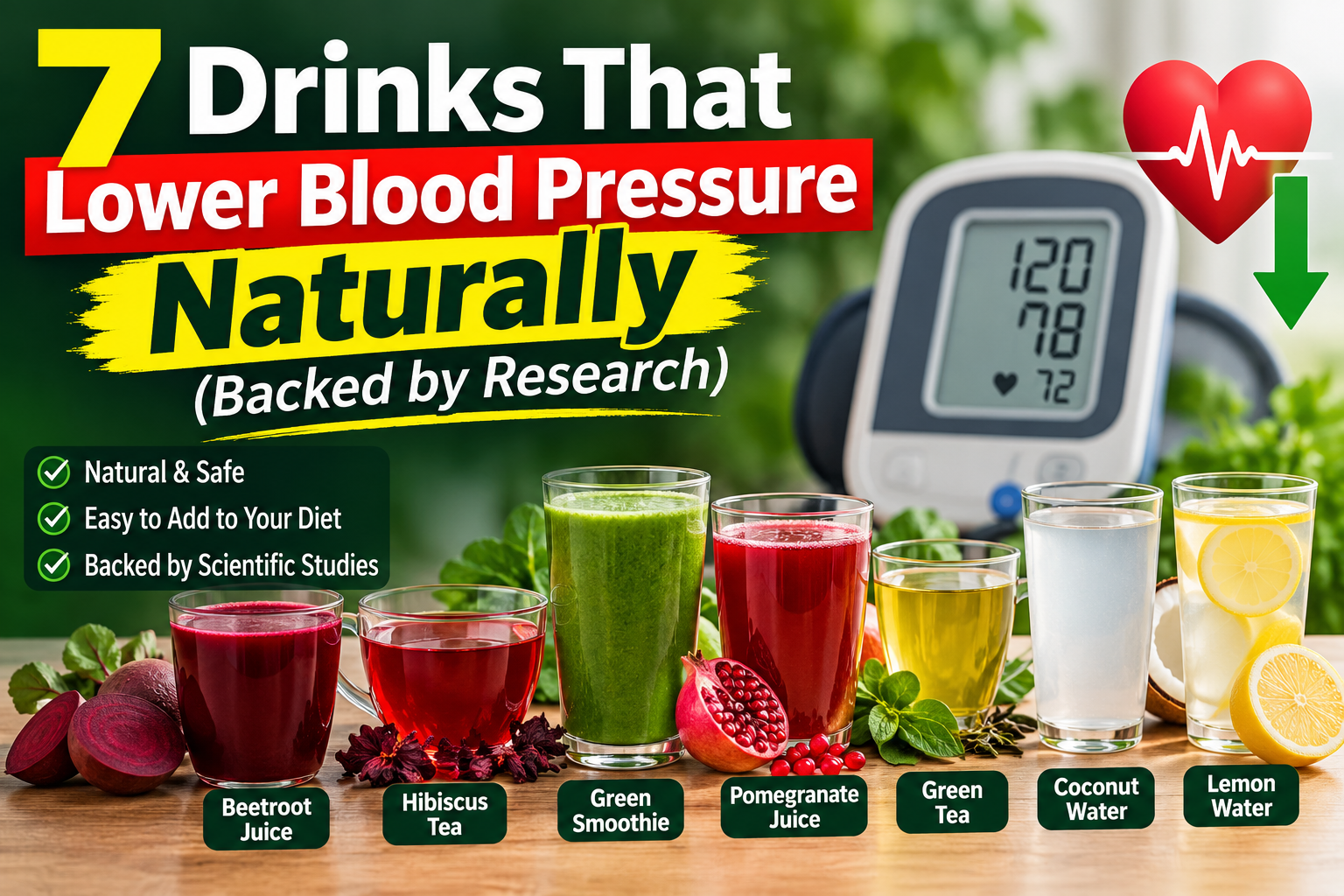
Hibiscus tea acts as a natural ACE inhibitor — the same mechanism as a class of blood pressure medications — reducing both systolic and diastolic pressure with consistent daily consumption.
Omega-3 fatty acids (found in fatty fish, flaxseed, and fish oil supplements) reduce arterial inflammation and improve vascular flexibility. These herbal options are among the most evidence-supported natural remedies for high blood pressure outside of medication.”
CoQ10 supports mitochondrial function in cardiac cells and has shown modest but consistent blood pressure-reducing effects in clinical trials.
These are not replacements for prescribed medication. They are powerful complementary interventions that work best when combined with the lifestyle changes above.
9. Protect Your Sleep Quality
Sleep is when your cardiovascular system performs its most critical maintenance — blood pressure drops naturally during deep sleep (a process called nocturnal dipping), blood vessels undergo repair, and stress hormones reset to baseline. Poor sleep disrupts all of this.
Chronic sleep deprivation raises average 24-hour blood pressure, increases cortisol, promotes weight gain, and impairs the dietary decisions that affect blood pressure the next day. It is both a consequence of high blood pressure and a cause of it.
Aim for 7–9 hours nightly. Maintain a consistent sleep schedule. Create a bedroom environment that supports deep sleep (cool, dark, quiet). Treating sleep as cardiovascular medicine — not a luxury — is one of the most powerful reframes available to anyone managing high blood pressure.
10. Monitor Your Caffeine Response
Caffeine’s effect on blood pressure varies significantly between individuals based on genetic differences in metabolism. For some people, regular caffeine consumption has little effect on resting blood pressure. For others, it causes consistent temporary spikes that contribute to elevated average readings.
Track your blood pressure before and 30–60 minutes after caffeine consumption over several days to identify your personal response. If you see consistent spikes, switching to herbal tea or reducing intake after 2 pm can remove a significant and easily addressable contributor to your numbers.
11. Stay Consistently Hydrated
When you’re chronically dehydrated, your blood volume decreases and your body compensates by constricting blood vessels — raising blood pressure as a result. This is a common, overlooked contributor to persistently elevated readings.
Target 6–8 glasses of water daily, distributed throughout the day rather than consumed all at once. Include water-rich foods (cucumbers, watermelon, celery) in your diet. The most common cause of persistent morning hypertension is overnight dehydration — starting your day with a full glass of water before coffee addresses this immediately.
12. Support Your Gut Health With Probiotics
Emerging research reveals a significant connection between the gut microbiome and blood pressure regulation — the gut-heart axis. An imbalanced gut microbiome promotes systemic inflammation, alters sodium handling, and disrupts the production of short-chain fatty acids that directly influence vascular tone.
Probiotic-rich foods — yogurt, kefir, sauerkraut, kimchi, and other fermented vegetables — support microbiome diversity and the anti-inflammatory gut environment that cardiovascular health depends on. This is one of the most recent areas of hypertension research, and the evidence for dietary probiotic support is growing consistently.
🩺 Know What to Do — But Struggling to Do It Consistently Every Day?
This is where most people get stuck. Not in knowledge — but in consistent application. A guided system removes that barrier.
Walks you through proven daily routines for natural blood pressure management in a clear, practical format — so you never have to figure out what to do next or rely on fading motivation to keep going. Thousands are already using it. Your numbers can change too.
The Missing Piece: Consistency Beats Intensity Every Time
Here is the honest reality about natural blood pressure management: the interventions work. What breaks down is consistency.
Most people start strong — better diet for a week, exercise for a few days, some breathing exercises before bed. Then life gets busy, stress peaks, and the habits quietly dissolve. Not because the person lacks discipline, but because isolated habits without a supporting structure are fragile.
A guided, structured approach that sequences these interventions in the right order — with clear daily guidance and built-in accountability — is what converts knowledge into sustained results. It is the difference between trying things and actually changing your numbers.
Final Thoughts: Start Small. Stay Consistent. Your Numbers Will Follow.
Lowering your blood pressure naturally is not about doing everything perfectly. It is about making better choices — one day, one meal, one habit at a time — and building the consistency that compounds into real cardiovascular change over weeks and months.
Start with diet. Add movement. Address your sleep. Manage your stress deliberately. Use natural herbal support. Monitor your numbers. Build the habits one at a time until they become automatic.
Small consistent changes produce powerful cumulative results. Your blood pressure is not fixed. It responds to what you do — and it can change significantly faster than most people believe.
Your Heart Has Been Waiting for This — Take the First Step Today
You now have everything you need to start. The only thing left is having a structured daily plan that makes following through the path of least resistance.
Join thousands of people who stopped feeling powerless about their blood pressure — and started taking the daily actions that produce real, lasting change. Your heart is worth the investment. Start today.
⚠️ Medical Disclaimer: This article is for informational purposes only and does not constitute medical advice. High blood pressure is a serious medical condition. Always consult your doctor before making changes to your treatment, stopping medication, or beginning any new health programme. If your blood pressure reads above 180/120, seek immediate emergency medical care.
Disclosure: This post contains affiliate links. If you purchase through our link, we may earn a small commission at no extra cost to you. We only recommend programmes we believe deliver genuine value.