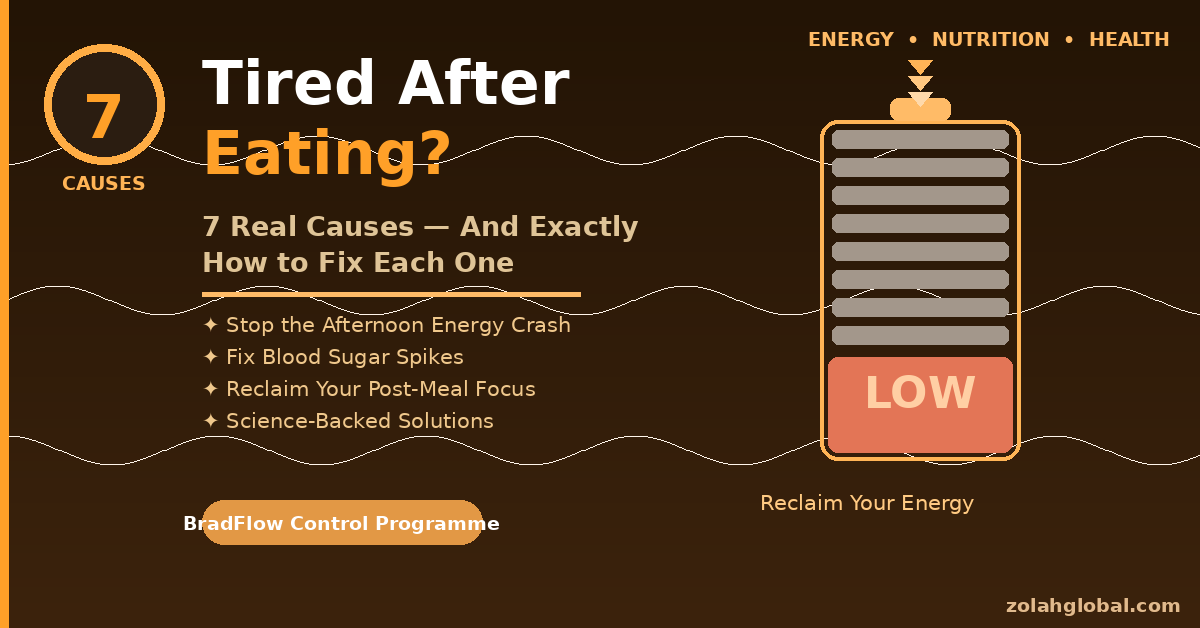
Feeling tired after eating is one of the most common — and most disruptive — energy problems people experience daily. You sit down for a perfectly normal lunch, and within 20 minutes you’re fighting to keep your eyes open. If tired after eating describes your afternoons, you are not alone — and more importantly, you don’t have to accept it.”
You push through the afternoon on willpower and coffee. By 3 pm you’re barely functional. And you’ve started to accept this as just how your body works — that post-meal exhaustion is somehow inevitable, just part of the rhythm of the day.
It isn’t. And it doesn’t have to be.
Post-meal fatigue — the medical term is postprandial somnolence, more memorably known as the “food coma” — is one of the most Googled health complaints in the world. It’s extremely common. But common does not mean unavoidable, and the fact that millions of people experience it daily does not mean it’s simply how the human body is supposed to work after eating.
Feeling wiped out after every meal is a signal. Your body is communicating something specific about what you’re eating, how you’re eating it, how you’re sleeping, or what’s happening inside your digestive system. And once you understand what it’s actually saying, fixing it is often remarkably straightforward.
Here are the 7 most common causes of post-meal tiredness — and a clear, practical fix for each one.
Tired of Crashing After Every Meal and Dragging Through Your Afternoons?
If post-meal exhaustion is affecting your productivity, focus, and quality of life — the problem almost certainly lies in your metabolic and nutritional patterns, not your willpower.
A complete, evidence-based nutritional framework built around metabolic balance and sustained energy — designed for people who want to stop surviving their afternoons and start performing through them. Your energy levels after meals are not fixed. They are the direct result of what and how you eat — and that can be changed.
Is It Normal to Feel Tired After Eating?
Short answer: it’s common — but it is not something you simply have to live with.
The physiology is well understood. After you eat, your body redirects significant blood flow toward your digestive organs to manage the workload of processing food. Your gut releases hormones — including cholecystokinin, which signals fullness and slows gastric emptying, and serotonin, which promotes relaxation and drowsiness. Your parasympathetic nervous system activates to oversee digestion — the same system responsible for the “rest and digest” state.
The result is a natural, mild dip in alertness that occurs after any substantial meal. For most people, this is mild and passes within 20–40 minutes. If you are regularly exhausted for longer than that, struggling to function in the hours following a meal, or experiencing brain fog that persists into the late afternoon — something specific is driving it, and it is worth identifying.
Here are the seven most likely causes.
Enter for a Chance to Go to the World Cup!

Reason 1: Blood Sugar Spike and Crash
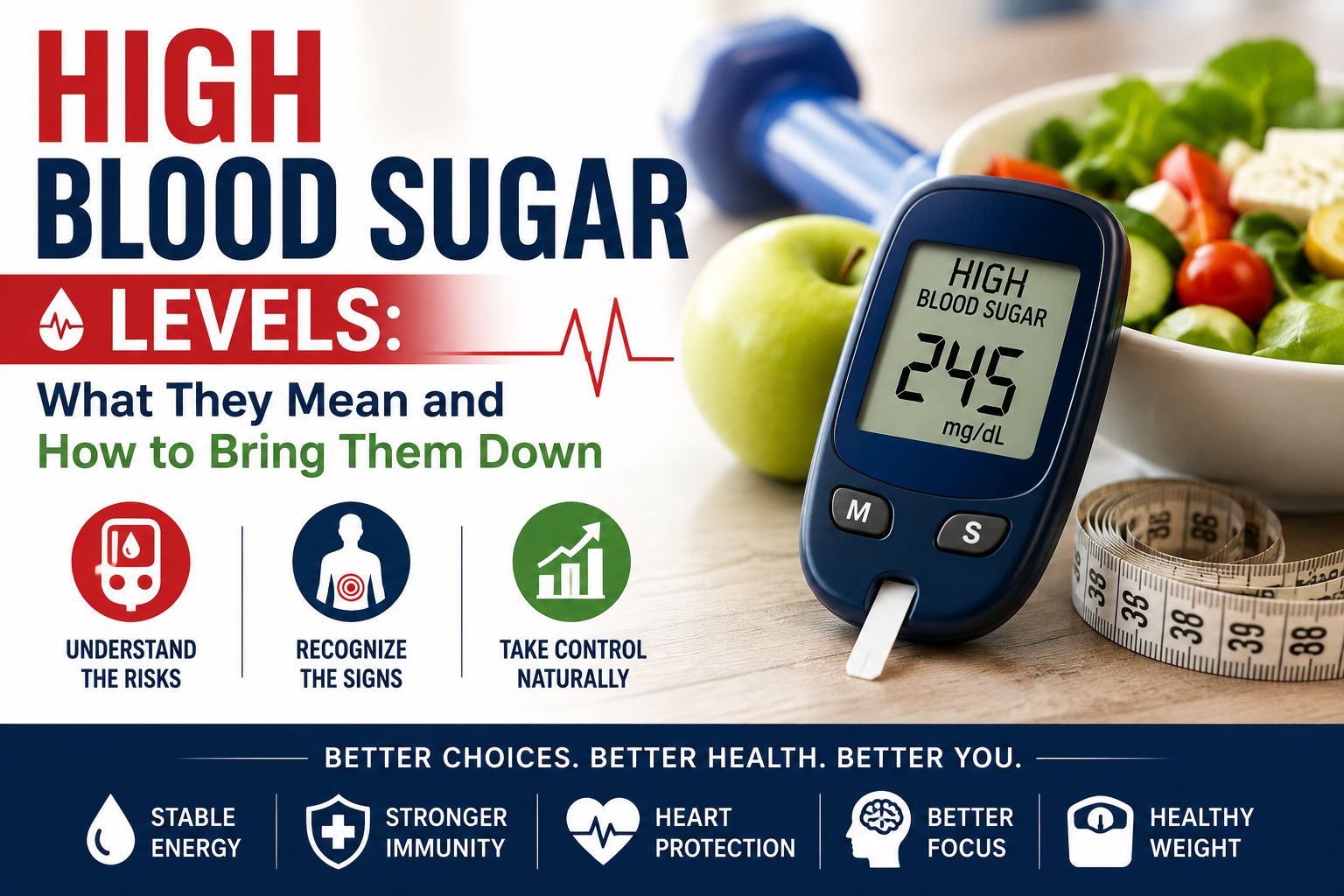
This is the most common cause of post-meal fatigue — and it is almost entirely driven by what you’re eating. Blood sugar crashes are the leading cause of feeling tired after eating for most people.
When you consume a meal high in refined carbohydrates — white bread, pasta, white rice, pastries, sugary drinks, fruit juice — your blood glucose rises rapidly. Your pancreas responds by releasing a surge of insulin to bring it back down. The problem is that this process frequently overshoots. Blood sugar drops below your baseline, triggering fatigue, brain fog, irritability, and intense cravings for more sugar — the classic “afternoon slump” that drives so many people back to the kitchen or the vending machine within an hour of lunch.
This cycle — spike, surge, crash, crave — repeats itself every time you eat a carbohydrate-heavy meal without adequate protein, fibre, or healthy fat to moderate the glucose response.
The fix: Pair every meal with all three macronutrients. Protein, fibre, and healthy fat all slow glucose absorption from the digestive tract into the bloodstream, flattening the spike and preventing the subsequent crash. Swap white bread for sourdough or whole grain. Add avocado, olive oil, or a handful of nuts. Include a substantial protein source at every meal — not as an afterthought, but as a centrepiece.
Reason 2: Eating Too Much in One Sitting
Portion size has a direct, physiological impact on post-meal fatigue that most people significantly underestimate. Oversized portions are a direct and underappreciated reason people feel tired after eating.
When you eat a large meal, your body must divert substantial blood flow to the digestive system to handle the processing workload — a mechanism called splanchnic circulation. This temporarily reduces blood flow to the brain and skeletal muscles. The result is the heavy, slow, mentally foggy feeling that follows an oversized meal — made worse by the fact that the brain’s satiety signals take approximately 20 minutes to register after swallowing, meaning fast eating almost always leads to overeating before the fullness signal arrives.
The fix: Eat smaller portions more slowly. Put your fork down between bites. Chew thoroughly. Aim to stop eating at roughly 80% of fullness — that sense of being satisfied but not stuffed. Eating in a calm, seated environment (not at a desk, not while scrolling) supports better digestive function and more accurate hunger and fullness recognition.
Reason 3: A Meal High in Refined Carbs and Hidden Sugar
This deserves its own section because many people eating what they believe is a healthy diet are unknowingly consuming high amounts of refined carbohydrates and added sugar — and experiencing the energy consequences without understanding why.
Flavoured yogurts. Packaged granola and cereal bars. Low-fat salad dressings. Fruit juices marketed as healthy. Flavoured coffees. Many foods positioned as nutritious choices contain enough added sugar to trigger significant blood glucose responses. And because these foods are also typically low in fibre, the glucose enters the bloodstream rapidly — producing the same spike-crash pattern as eating biscuits, just with better packaging.
The fix: Read nutritional labels on packaged food. A product with more than 5g of sugar per 100g warrants scrutiny. Swap refined grains for whole grain alternatives — brown rice, wholegrain pasta, oats, quinoa — which provide equivalent energy through a slower-releasing carbohydrate that sustains rather than crashes. Hidden sugars in packaged foods explain why many people feel tired after eating what they believe is a healthy meal.
Reason 4: Dehydration — The Overlooked Energy Thief
This one surprises most people: dehydration is one of the primary causes of low energy and cognitive impairment, and it directly worsens post-meal fatigue.
Your body requires water to produce digestive enzymes, facilitate nutrient absorption, and maintain adequate blood volume for the circulation demands of digestion. Even mild dehydration — below the level that produces noticeable thirst — slows all of these processes and compounds the fatigue that follows eating. Many people also mistake thirst for hunger, eat when they should be drinking, and then compound both the dehydration and the digestive burden simultaneously.
Research shows that being even 1–2% dehydrated measurably impairs cognitive performance — the equivalent of a significant sleep deficit in terms of brain function impact.
The fix: Drink a full glass of water 20–30 minutes before each meal. Sip water throughout the day rather than drinking large amounts all at once. Target 6–8 glasses daily. Reduce caffeine and alcohol consumption — both are diuretics that accelerate fluid loss and worsen the dehydration that amplifies post-meal fatigue. Dehydration significantly worsens the fatigue people feel tired after eating even modest meals.”
Reason 5: Food Intolerances or Sensitivities
If your post-meal fatigue is accompanied by bloating, brain fog, stomach discomfort, skin changes, or headaches — a food intolerance deserves serious investigation.
Gluten sensitivity (distinct from coeliac disease), lactose intolerance, and reactions to high-FODMAP foods are significantly more prevalent than most people realise — and one of the most consistent symptoms across all of them is exhaustion in the hours following the consumption of the offending food. The frustrating reality is that intolerance-related fatigue can appear 1–4 hours after eating, making the connection difficult to identify without systematic tracking.
The fix: Keep a detailed food and symptom diary for 2–3 weeks, recording what you ate and how you felt in the hours that followed. If consistent patterns emerge around specific food categories — dairy, gluten, onions, legumes, or particular processed ingredients — consider a structured elimination trial. Always consult a GP or registered dietitian before eliminating entire food groups to ensure nutritional needs are met. Food intolerances are one of the most overlooked explanations for feeling tired after eating
Reason 6: Iron Deficiency or Anaemia
Iron deficiency is the most prevalent nutritional deficiency globally — and post-meal exhaustion is one of its most commonly overlooked symptoms.
Here is the mechanism: iron is essential for haemoglobin production — the protein that carries oxygen in red blood cells. When iron stores are depleted, your blood’s oxygen-carrying capacity is reduced. Digestion is a metabolically demanding process that requires energy and adequate oxygenation. When you’re iron-deficient, your body simply does not have the oxygen-delivery capacity to handle both normal metabolic function and the increased demands of active digestion — so fatigue is the result.
Additional signs of iron deficiency: persistent tiredness that doesn’t improve with sleep, pale skin and inner eyelids, brittle nails, shortness of breath during mild exertion, difficulty concentrating, and cold hands and feet. Iron deficiency makes feeling tired after eating far more severe than it would otherwise be.
The fix: Increase dietary iron through red meat, lentils, spinach, tofu, pumpkin seeds, and iron-fortified cereals. Always pair plant-based iron sources with vitamin C — a squeeze of lemon, bell pepper, or orange juice — which significantly enhances non-haem iron absorption. Avoid tea and coffee with meals: the tannins they contain reduce iron absorption by up to 80%. If deficiency is suspected, request a ferritin blood test from your GP — ferritin (stored iron) is a more accurate indicator than serum iron alone.
Reason 7: Sleep Debt Compounding Post-Meal Fatigue
This cause operates differently from the others — it is less about what you’re eating and more about the condition your body is already in before you sit down to eat.
Sleep debt is cumulative. Being 60–90 minutes short of your optimal sleep each night builds across a week into a significant neurological and physiological deficit. When you are already sleep-deprived, the natural dip in alertness that follows any meal hits far harder — and recovers far more slowly — than it would in a well-rested state.
Your circadian rhythm also produces a natural alertness trough between approximately 1pm and 3pm — independent of food entirely. This is a biological feature, not a design flaw. But when sleep debt is layered on top of this trough and combined with a carbohydrate-heavy lunch, the result is the overwhelmingly soporific post-lunch crash that makes the second half of many people’s working days functionally difficult.
The fix: Treat sleep hygiene as an energy management strategy, not a wellness nicety. Consistent bedtime. Dark, cool bedroom environment. No screens for 30 minutes before sleep. No caffeine after 2pm. For most people, addressing chronic sleep deficit produces improvements in post-meal energy that dietary changes alone cannot fully replicate — because the foundation of all energy management is adequate sleep.
The Energy-Sustaining Meal Formula
Now that you understand the causes, here is the practical framework that addresses most of them simultaneously. Every meal built around this structure will produce sustained energy rather than a crash:
| Plate Component | Amount | Examples |
|---|---|---|
| Protein | 25% of plate | Chicken, fish, eggs, tofu, lentils, Greek yoghurt |
| Fibre-rich vegetables | 50% of plate | Leafy greens, broccoli, peppers, courgette, cucumber |
| Complex carbohydrate | 20% of plate | Sweet potato, brown rice, oats, quinoa, sourdough |
| Healthy fat | 5–10% | Olive oil, avocado, nuts, seeds |
This combination slows glucose absorption, sustains energy across several hours, keeps the brain fuelled without a spike-crash cycle, and supports digestive function without overwhelming the system. Following this plate formula consistently is the most reliable way to stop feeling tired after eating.
Want a Complete, Structured Nutritional System Built Around Sustained Energy?
Understanding the principles is step one. Having a structured daily programme that applies them consistently — with meal planning, nutritional guidance, and a clear metabolic framework — is what produces lasting results rather than a good week followed by a revert to old patterns.
A comprehensive, evidence-based nutritional framework covering meal structure, food combinations, metabolic timing, and the specific dietary patterns that produce sustained energy — for people who are done with afternoon slumps and want a system that makes high energy the default. Thousands are already living without the post-meal crash. You can too.
3 Simple Food Swaps to Start Fixing This Today
You do not need to overhaul your entire diet to start experiencing better post-meal energy. Begin with these three swaps — each one produces noticeable improvement within a week:
White rice → Quinoa or cauliflower rice. Lower glycaemic index, significantly more protein, better satiety, and none of the blood sugar spike that makes white rice a reliable afternoon-crash trigger.
Fruit juice → Water with lemon or herbal tea. Most commercial fruit juice contains as much sugar as a soft drink, absorbed at the same speed. Whole fruit with intact fibre is always preferable. The switch alone eliminates one of the most common hidden sugar sources in most people’s diets.
Crisps or crackers → Hummus with vegetable sticks. The combination of fibre, protein, and healthy fat satisfies hunger through a sustained mechanism rather than a glucose spike. This swap transforms the afternoon snack from a crash accelerator into an energy sustainer.
Even implementing one of these swaps will produce a measurable difference in post-meal energy within 7 days.

When to See a Doctor
For most people, the changes above produce noticeable improvement within one to two weeks. But persistent fatigue after eating — particularly when accompanied by other symptoms — can indicate an underlying medical condition that requires proper diagnosis.
Consult your GP if tiredness after meals is accompanied by:
- Unexplained weight loss or gain
- Excessive thirst and frequent urination (possible type 2 diabetes)
- Severe bloating, diarrhoea, or abdominal pain after eating gluten (possible coeliac disease)
- Fatigue that does not improve with dietary changes (possible thyroid disorder)
- Dizziness or faintness after meals (possible reactive hypoglycaemia)
A standard blood panel can identify or rule out the most common underlying causes quickly.
Final Thoughts: Your Post-Meal Energy Is Not Fixed
Feeling exhausted after every meal is not just something to accept. It is information — a specific, addressable signal about blood sugar regulation, hydration, iron status, food sensitivities, portion size, or sleep quality. Every single cause on this list is correctable.
Start with the simplest fix for your most likely cause. If your meals are carbohydrate-heavy, add protein and fat. If you are dehydrated, drink water before eating. If you are consistently sleep-deprived, address that before expecting dietary changes to fully compensate.
Build from there. Small, consistent changes compound quickly when applied to something as foundational as how your body processes every meal you eat.
Start Your Next Meal With Energy in Mind — Not Just Hunger
You now understand exactly why the crash happens and exactly how to stop it. The final piece is having a structured nutritional system that makes these changes automatic — so sustained energy becomes your default, not your exception.
Join thousands of people who stopped accepting afternoon exhaustion as normal — and built the metabolic habits that keep them energised, focused, and performing through the whole day. Your afternoons can feel completely different. Start today.
Medical Disclaimer: This article is for informational purposes only and does not constitute medical advice. If you are experiencing persistent fatigue after meals or any of the symptoms described above, consult a qualified healthcare professional for proper diagnosis and treatment.
Disclosure: This post contains affiliate links. If you purchase through our link, we may earn a small commission at no extra cost to you. We only recommend programmes we believe deliver genuine value.